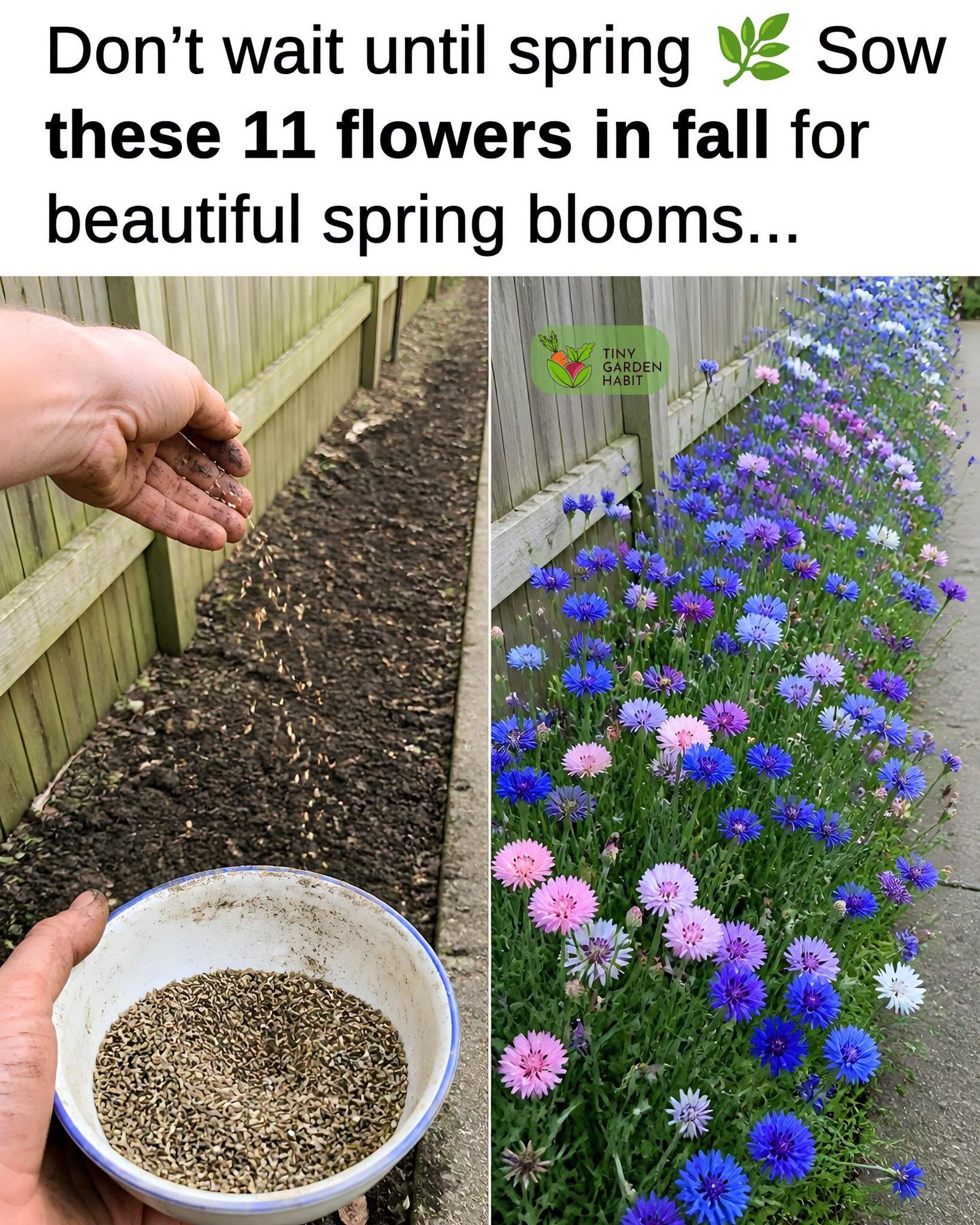
Nigellas: Nigellas are easy to scatter thanks to their tiny, grainy seeds. If sown in fall, they’ll produce delicate blue flowers in spring.
Foxgloves: This delicate biennial needs some exposure to cold in fall before it’s able to bloom properly in spring. A layer of mulch around the base helps protect seedlings from sudden winter freezes.
Shasta Daisy: Planting shasta daisies in the fall makes sense because the temperature conditions allow for much better and stronger root development.
Tip: Cover the bases of these plants with mulch to protect the seeds from winter heaving.
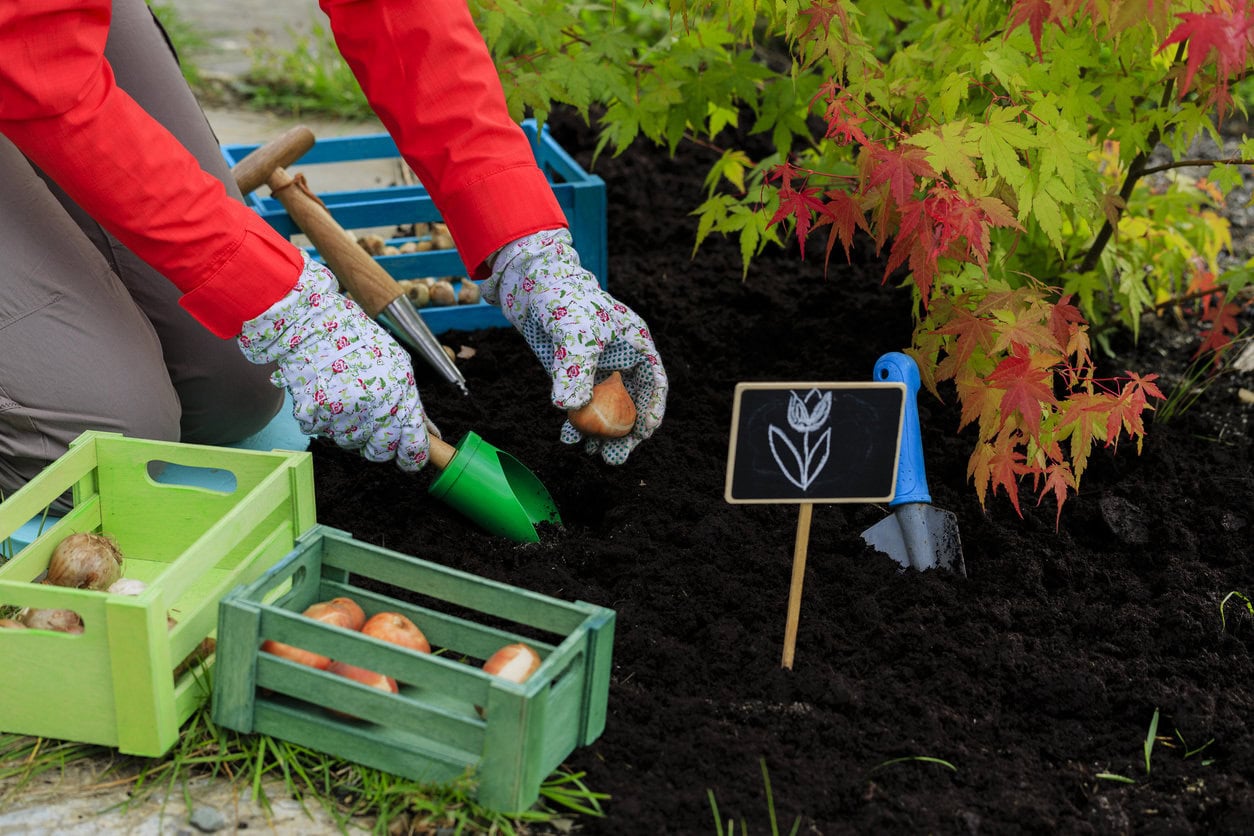
If bulbs are calling your name this fall, check out my guide on selecting and planting bulbs in fall for gorgeous spring blooms: bulbs to plant in fall for spring color.
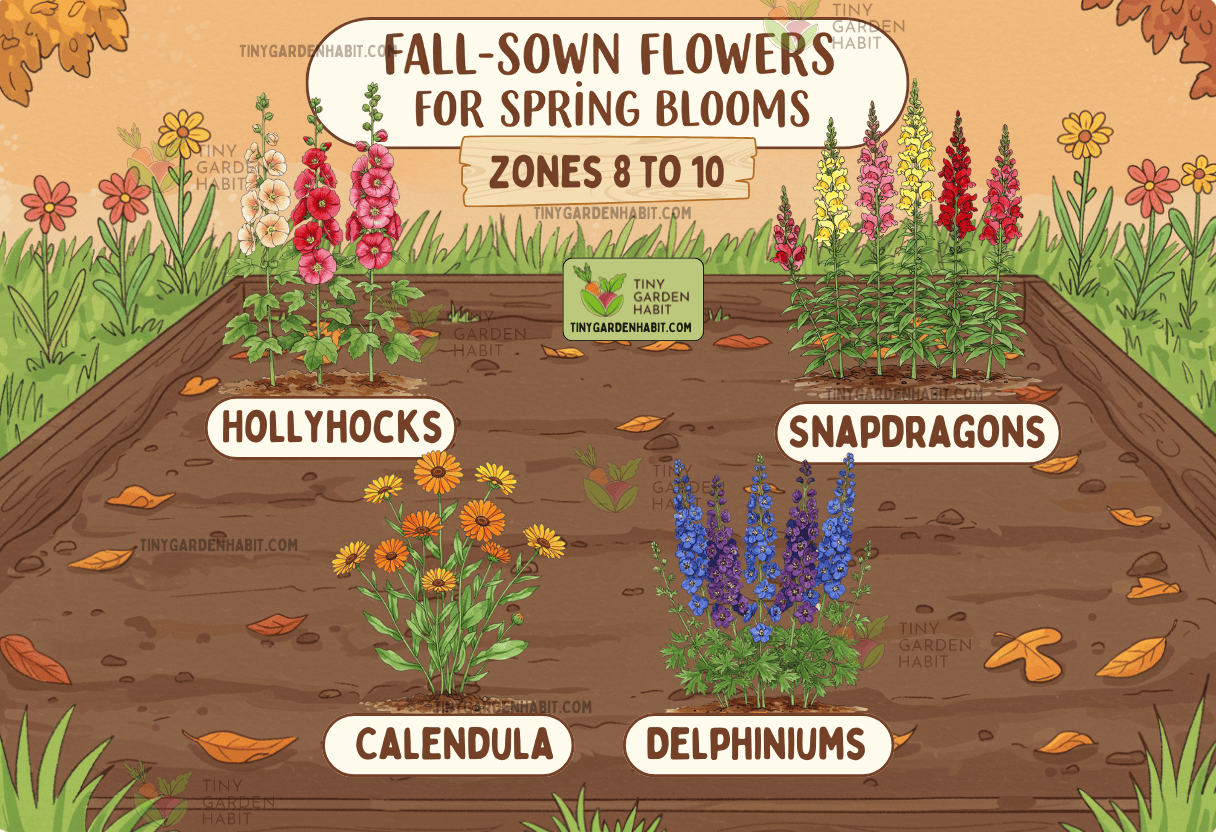
Zones 8-10: Mild Winters, Extended Growing
Calendula: Calendulas grow happily but vigorously all winter long and flower early in the spring season.
Snapdragons: Snapdragons really thrive in cool winter conditions and bloom beautifully around early to mid spring.
Delphiniums: Sowing delphiniums in the fall ensures early production of strong flower spikes in spring. If your winters dip unexpectedly, a simple frost cloth will keep young plants safe.
Hollyhocks: This vibrant, airy spring bloomer needs cool weather to establish before it can bloom in any meaningful way.
Tip: In warmer zones and regions, fall is often the best time to plant these flowers; spring sowings can get too hot too quickly, which is why I’d suggest you avoid it.
Which Flowers Are The Easiest To Sow In Fall For Beginners?
California Poppy
Generally speaking, classics like poppies, calendulas, cornflowers, and nigellas are some of the easiest flowers to sow in the fall, and that’s partly the reason why I made sure to include them in my list.
They germinate quite reliably and don’t create as much fuss when it comes to growth requirements.
Loosen the soil and rake it smooth before you scatter the seeds. This will help tem settle in and germinate better in spring.
Label or mark where you’ve sown your seeds in fall! Trust me, once winter sets in, it’s easy to forget or accidentally disturb those spots.
Always give the seeds a light watering after sowing to settle them in. Then, leave them alone and let nature take over and do its thing.
Mulch, mulch, mulch! Super important and usually undervalued. Add a thin layer of mulch on top of your seeds. Don’t pile it too thick, or you’ll smother the seedlings when they start to emerge in spring.
I’ve also had success with succession sowing. If you’re in zones 7 to 10, try sowing a few batches weeks apart so you stretch out your garden’s spring bloom window.
Let’s Conclude
Sowing flowers in the fall is much more strategic than you might think! It’s not just some random season that I recommend planting these flowers in; fall has characteristics that allow it to accommodate germination and seedling growth extremely well.
The slight lingering warmth transitions into cold, dry air, making the soil as well as the overall garden environment much more productive for flower varieties that can tolerate these conditions, or even better, benefit from it.